






















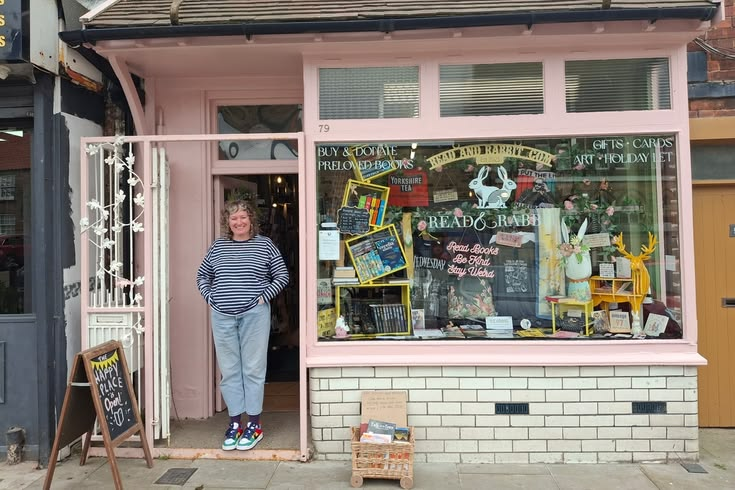
Independent shops have something larger retailers often struggle to replicate: personality. From the carefully chosen products on display to the conversations customers have with staff, smaller businesses can create shopping experiences that feel genuinely personal. However, with busy high streets and increasing competition from online retailers, making a memorable first impression matters more than ever.
Good design can play an important role in helping independent shops attract attention and encourage people to step inside. It doesn’t necessarily require an expensive refurbishment or a complete change of identity. Often, the smaller details make the biggest difference to how a business is perceived.
Make the Exterior Worth a Second Look
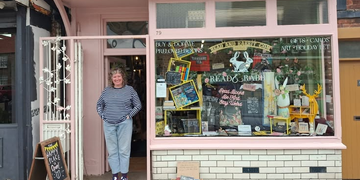
Before customers notice your products, they notice your premises. A tired entrance, faded paintwork or cluttered window display can make even an excellent shop appear less inviting than it deserves.
A well-maintained exterior helps communicate professionalism while giving potential customers an idea of what to expect inside. Clear, attractive shop front signage is especially important, as it allows people to recognise your business and understand what you offer before walking through the door.
The most effective signs reflect the character of the shop rather than simply following current design trends. A traditional bookshop might benefit from understated lettering, while a contemporary clothing boutique could choose something bolder. Whatever the style, readability and consistency should remain priorities.
Create Window Displays That Tell a Story
A shop window offers valuable advertising space without the ongoing expense of digital campaigns. Rather than filling it with as many products as possible, consider creating a display around a particular theme, season or collection.
A homeware shop might arrange products to resemble a cosy living room, while an independent gift shop could highlight thoughtful presents for an upcoming occasion. These displays give passers-by a reason to stop and look, even when they weren’t originally planning to shop.
Changing displays regularly also helps keep the premises looking fresh and gives returning customers something new to discover.
Think Carefully About the Customer’s Journey
Once someone enters your shop, the layout should make browsing feel comfortable and straightforward. Narrow walkways, poorly positioned furniture and confusing product arrangements can discourage customers from exploring.
Consider how people naturally move through the space and whether important products are easy to find. Clear sections, accessible shelving and well-positioned displays can improve the experience without making the shop feel overly organised or impersonal.
Lighting deserves attention too. Softer lighting might suit a lifestyle boutique, while brighter illumination could work better for shops selling detailed products that customers need to examine closely.
Let Your Personality Come Through
Independent retailers have the freedom to develop a distinctive atmosphere that reflects their values and interests. Small touches such as handwritten product descriptions, locally inspired artwork, or thoughtfully chosen packaging can make shopping feel more personal.
Consistency matters, but that doesn’t mean every detail needs to match perfectly. A shop with character often feels more welcoming than one designed to look completely polished.
Standing out on the high street isn’t simply about having the brightest sign or the most elaborate interior. It’s about creating a recognisable identity that customers remember and enjoy returning to. When thoughtful design supports excellent products and friendly service, independent shops have every opportunity to make a lasting impression.