






















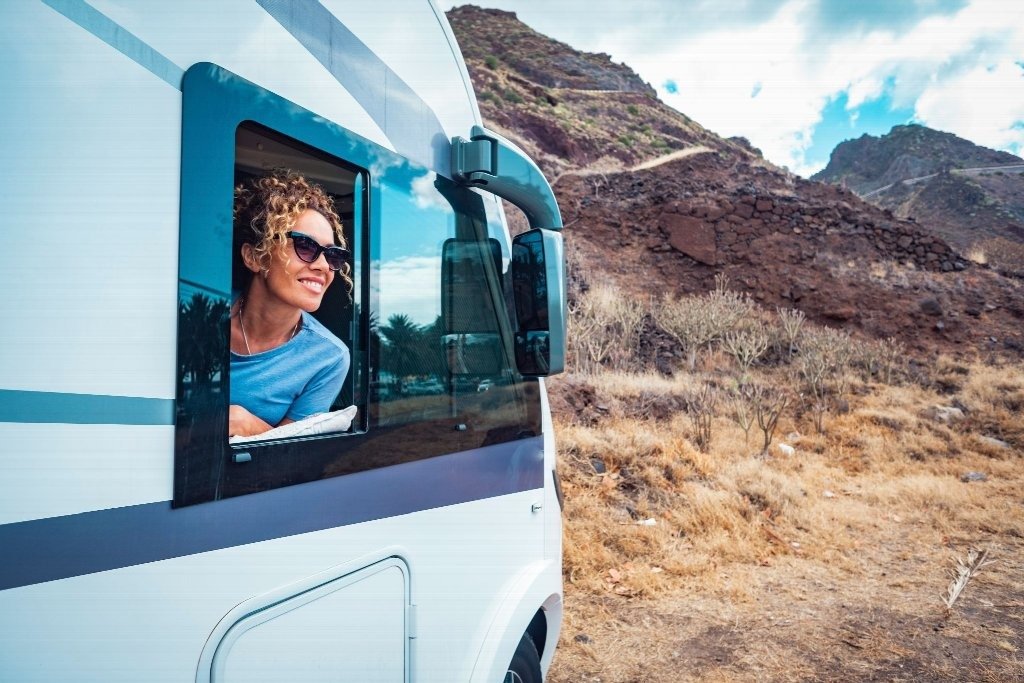
There’s a moment that most people who have spent time caravanning describe in similar terms. You’ve been on the road for a few days, the initial disorganisation of the first departure has settled into a rhythm, and you wake up somewhere that you chose to be rather than somewhere that the itinerary required you to be. The coffee is made in a kitchen that travels with you. The view outside the window is whatever you parked next to the evening before. Nothing is particularly urgent.
That moment is what keeps people coming back. Not the hardware, not the specific campsite, not even the destination. The feeling of a particular kind of freedom that most other forms of travel either approximate or work against, and that caravanning produces with a consistency that makes it genuinely different from the alternatives.
What the Appeal Is and Where It Comes From
The appeal of caravan travel is difficult to reduce to a single quality because it sits at the intersection of several things that are individually valuable and collectively more compelling than any one of them alone.
The self-determination of a caravanning trip is the quality most people mention first. There is no hotel booking that determines where you sleep, no airline schedule that determines when you move, no tour itinerary that determines what you see. If a place is more interesting than expected, you stay longer. If it isn’t, you leave. If someone at a campsite mentions a beach or a viewpoint or a town that sounds worth seeing, you can simply go. The flexibility that sounds obvious in description feels genuinely liberating in practice, particularly for people who spend their working lives operating within the constraints of other people’s schedules and expectations.
The pace of caravan travel is the second quality that distinguishes it from most alternatives. Flying between destinations compresses the experience of travel into its endpoints and treats everything in between as an obstacle. Driving through a landscape with a home attached to the back of the vehicle makes the journey itself a part of the experience rather than a cost to be minimised. The town that appears unexpectedly interesting on a country road, the river that’s worth stopping beside for lunch, the landscape that changes gradually across a day of driving, all of these are things that conventional travel infrastructure is specifically designed to skip past.
The simplification of life that a caravan imposes is something that takes most people by surprise. Everything needed fits into a defined space. There are no restaurants to choose between, no checkout queues, no Netflix catalogue to scroll through. What gets done each day is essentially determined by where you are and what the weather is doing, which sounds limiting and turns out to feel like relief.
The Community That Forms Along the Way
The social dimension of the caravan lifestyle is the element that surprises most first-time caravanners, and it’s one of the most consistently mentioned reasons people find themselves returning to the road.
Caravan parks and free camping spots create the conditions for a particular kind of social encounter that is rare in ordinary life. People are in the same place for roughly the same reasons, with roughly the same amount of time available, and without the social scripts that structure most encounters between strangers. A conversation that starts over a shared tap or a comparison of camp setups can turn into an invitation for dinner, the exchange of route recommendations, or a friendship that continues beyond the campsite through the kind of sustained connection that the transience of caravan travel somehow facilitates rather than prevents.
The community of caravanners is also characterised by a generosity of knowledge that is unusual in consumer cultures. Experienced caravanners share information about routes, campsites, mechanical issues, and the accumulated knowledge of their travels with a willingness that reflects how the lifestyle itself tends to select for people who have consciously chosen generosity over competition. The newcomer who doesn’t know how to back a van into a site will almost certainly receive unsolicited but genuinely helpful guidance from whoever is camped next door.
For those in the early stages of considering the lifestyle, visiting a caravan dealership in Campbelltown or another specialist dealer gives access not just to the vehicles themselves but to the accumulated knowledge of a team whose daily work keeps them in close contact with the caravanning community and the practical realities of different van configurations across different travel styles.
Getting Started and What the Learning Curve Looks Like
The learning curve of caravanning is real, and acknowledging it honestly is more useful than the enthusiasm of the converted, who tend to forget how disorienting the first few trips were before the rhythm settled in.
Reversing a caravan is the skill most people identify as the initial barrier, and it is genuinely counterintuitive until it isn’t. The logic of steering opposite to the intended direction, managing the pivot point, and reading the movement of the van in the mirrors takes a number of attempts before it becomes instinctive. Most experienced caravanners describe their first reversing attempts with a combination of embarrassment and affection that reflects how universal the experience is.
The packing and weight distribution question takes a few trips to resolve into something reliable. Understanding which items are used daily and need to be accessible, which need to be stowed securely against movement, and how the weight of the load affects the handling of the tow vehicle are all things that books explain adequately and experience teaches definitively. The first trip is typically more chaotic than it needs to be and considerably more instructive than any amount of preparation.
The equipment accumulation that caravanners fall into is a genuine phenomenon and worth being prepared for. The initial setup feels adequate until the first trip reveals what’s missing, and the second trip adds what the first trip lacked, and across several trips the van gradually accumulates the specific configuration of equipment that suits the specific travel style of the specific people using it. The process is iterative and slightly expensive and entirely predictable.
Why the People Who Commit to It Don’t Go Back
The caravan lifestyle has a retention rate that most leisure pursuits don’t approach. The people who try it once and don’t continue are considerably outnumbered by those who try it once and find themselves planning the next trip before they’ve unpacked from the first.
What sustains it beyond the novelty is the same quality that drew people to it initially: the particular combination of freedom, pace, and simplification that the lifestyle produces, and that proves to be more than a holiday novelty. The people who have been caravanning for decades describe it in terms that reflect something genuinely sustaining rather than habitually comfortable. The landscapes that are still being discovered. The connections that are still being made. The particular quality of a morning that is unhurried and unscheduled and entirely their own.
That’s what keeps drawing people back. Not the destination and not the vehicle. The way of being in the world that the combination of the two produces, and that is difficult to replicate through any other means once you’ve experienced it.