












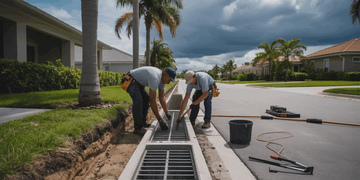












Living in the countryside has plenty of attractions, from peaceful surroundings and open landscapes to the freedom of having more outdoor space. However, rural properties also come with practical responsibilities that homeowners in towns and cities might never need to consider. One of the most important is drainage.
Poor drainage can cause problems that extend far beyond an occasional puddle in the garden. It can affect the condition of your property, create unpleasant living conditions and lead to expensive repairs. Understanding how your drainage system works is therefore an essential part of looking after a countryside home.
Rural Properties Often Have Different Drainage Systems
Unlike many urban homes, rural properties aren’t always connected to the public sewer network. Instead, they may rely on private systems, such as septic tanks or sewage treatment plants, to manage household wastewater.
These systems need appropriate installation and regular maintenance to operate effectively. If you’re considering upgrading an ageing system or installing one at a new property, it’s sensible to hire a professional who understands sewage treatment requirements and the practical challenges of rural properties.
An unsuitable or poorly maintained system can create drainage problems and potentially cause environmental harm, particularly when wastewater reaches nearby watercourses.
Excess Water Can Damage Your Property
Drainage isn’t just about dealing with wastewater. Rainwater management is equally important, especially in countryside locations where properties may be surrounded by fields, sloping ground or poorly draining soil.
When water collects around foundations, it can contribute to damp problems and damage building materials over time. Blocked gutters, damaged drains and inadequate surface drainage can make these issues worse.
Regularly clearing gutters, checking outdoor drains and ensuring water flows away from the building can help reduce the risk of avoidable damage.
The Surrounding Environment Matters Too
Rural drainage problems can affect more than an individual property. Leaking sewage systems or uncontrolled wastewater discharges may contaminate soil, streams and other natural habitats.
This is particularly concerning in agricultural areas, where water quality matters for livestock, wildlife and surrounding land.
Homeowners should understand their responsibilities under the relevant environmental regulations. In England, private sewage systems must meet applicable general binding rules, while different requirements may apply elsewhere in the UK.
Regular Maintenance Prevents Bigger Problems
Many drainage issues develop gradually. Slow-draining sinks, unpleasant smells, unusually wet patches of ground or recurring blockages can all suggest that something needs attention.
Ignoring these warning signs may allow a relatively manageable problem to become more serious. Arranging inspections when concerns first appear can help identify faults before they cause extensive damage.
It’s also worth keeping records of septic tank emptying, servicing and previous repairs, particularly if you intend to sell the property in the future.
Protecting Your Countryside Home
Good drainage rarely attracts much attention when everything is working properly, but its importance becomes obvious when something goes wrong.
Taking time to understand your property’s systems, arranging appropriate maintenance and addressing warning signs promptly can help protect both your home and the surrounding environment.
Countryside living should be about enjoying your surroundings rather than constantly worrying about preventable property problems. A little attention to drainage can make that much easier.