






















A Tanzania itinerary can go two very different directions: a fast-paced northern circuit hitting the Serengeti and Ngorongoro Crater in under a week, or a slower month combining safari with Zanzibar’s beaches and maybe a Kilimanjaro climb. Both are valid, but they require different budgets, seasons, and logistics. Here’s how to sort out which version fits, and how to plan it properly.
Decide What Kind of Trip This Actually Is
Tanzania rewards travelers who pick a focus rather than trying to cram everything in. The northern circuit — Serengeti, Ngorongoro, Tarangire, Lake Manyara — is built for wildlife viewing and works well in 5 to 8 days. The southern circuit, including Ruaha and Nyerere National Park (formerly Selous), sees far fewer visitors and suits travelers who’ve already done a first safari and want something less crowded.
Zanzibar and the smaller islands off the coast add a beach component that pairs naturally with either circuit, since flights from Arusha or the southern parks to Zanzibar run daily and take under two hours. Kilimanjaro is its own trip entirely, usually requiring 6 to 9 days on the mountain before or after any safari plans. Trying to combine a serious Kilimanjaro climb with an extensive safari and Zanzibar stay in under two weeks usually means shortchanging one of the three.
Time the Trip Around Wildlife, Not Just Weather
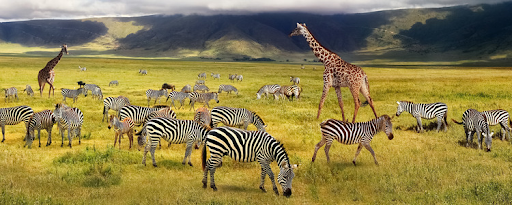
The dry season, from late June through October, is when wildlife clusters around rivers and waterholes, making sightings easier and more predictable. It’s also when the Great Migration typically crosses the Mara River in the northern Serengeti, an event that draws crowds but delivers genuine drama. This period is also peak season for prices and availability, so lodges and camps should be booked 6 to 9 months out.
The short rains in November and December clear quickly and leave the landscape green, with fewer tourists and lower rates, making this a smart window for budget-conscious travelers who don’t mind occasional afternoon showers. The long rains from March through May are the quietest and cheapest months, but some camps close entirely and certain roads become difficult to pass. Calving season, from late January through February, brings enormous numbers of wildebeest calves to the southern Serengeti and Ndutu area, along with the predators that follow them.
Build a Realistic Budget
A mid-range African safari Tanzania trip, staying in comfortable tented camps or lodges with a private guide and vehicle, typically runs $400 to $600 per person per day, including park fees, meals, and game drives. Luxury camps in prime locations can push that past $1,000 per night, while budget camping safaris with shared vehicles can bring costs down to $200 to $250 per day. Park entry fees alone add up fast: Serengeti National Park charges $71 per person per day, and Ngorongoro Conservation Area adds a separate concession fee on top of that.
International flights into Kilimanjaro International Airport or Julius Nyerere International Airport in Dar es Salaam vary widely by origin and season, but booking 4 to 6 months ahead generally secures better fares. Domestic flights between parks and to Zanzibar cost $150 to $300 per leg and save enormous amounts of driving time. Tipping guides and camp staff is expected and should be budgeted separately, typically $15 to $20 per day for a guide and slightly less for camp staff.
Choose Between a Tour Operator and Independent Planning
Self-driving through Tanzania’s national parks is legal but genuinely difficult without local knowledge, given rough roads, limited signage, and the value of a guide who knows where animals tend to gather. Most visitors book through a ground operator or tour company that handles vehicles, guides, park fees, and lodging as a package. Local Tanzanian operators often charge less than international agencies for identical itineraries, since the booking passes through fewer middlemen.
Look for operators registered with the Tanzania Tourist Board and check recent reviews mentioning the specific guide assigned, since guide quality varies more than camp quality. A good operator will also handle logistics between regions, arranging the small-plane transfers that connect remote parks without requiring long drives on rough roads.
Handle Health and Entry Requirements Early
A yellow fever vaccination certificate is required for entry if arriving from or transiting through a country with risk of yellow fever transmission, and border officials do check this. Malaria prophylaxis is strongly recommended for any safari travel, since most parks sit in malaria zones regardless of altitude. A Tanzania e-visa can be applied for online in advance, and doing so avoids long lines at arrival, though visas on arrival remain available at major airports.
Travel insurance that specifically covers medical evacuation is worth the cost, since remote parks are hours from advanced medical care by road and evacuation typically means a chartered flight. Pack layers regardless of season, since early morning game drives in open vehicles get cold even during the hottest months, and afternoons can swing 30 degrees warmer.
Getting the Order Right
The biggest planning mistake is booking flights before locking down which circuit and season to target, since that decision determines everything else, including cost. Settle on the northern or southern circuit, pick a season based on whether migration drama or lower prices matter more, and then work backward to flights and lodging. Everything else in the trip falls into place once that first decision is made.