





















Garden centers have natural peaks in spring and autumn, and the customers who walk through the doors during those periods are spending hours outdoors. They are planting, pruning, clearing, and tidying in conditions that change from sunny to damp within an hour. Many of them are underdressed, and many would happily buy a useful layer if it were sitting next to the compost.
Apparel is an underused category for garden centers. Handled well, it raises the average sale, helps customers, and complements the tools and plants you already sell. This guide covers how to plan it.
Understand the Gardening Customer
Gardeners vary, but they share some needs:
- Freedom of movement, since they bend, kneel, and reach.
- Easy care, because clothing gets muddy.
- Layers, as mornings are cool and afternoons warm.
- Pockets, for secateurs, plant labels, and phones.
Keep these in mind when choosing products. A garment that looks smart but restricts bending will not sell twice.
Look at Your Own Calendar
Check when your busy periods begin and end. In many places, spring surges when the first warm weekend arrives, and autumn picks up around bulb planting and clear-up. Your sales data shows the pattern better than any generic guide.
Also consider when customers are most likely to feel the cold: early spring mornings, late autumn afternoons, and any damp spell.
Choose a Small, Practical Range
A garden center is not a fashion shop, so keep the range tight. Three or four well-chosen layers in a few sizes will serve most customers.
The Easy Layer for Mild Days
For spring and early autumn, customers want something they can wear while working and take off when the sun appears. Lightweight Jackets suit that pattern, because they pack away easily and layer over a long-sleeve top without restricting movement. Check the fabric and care information for each style you stock, and make sure staff can answer questions about washing, since garden clothes get dirty fast.
The Warm Layer for Cold Mornings
For late autumn and early spring, a vest adds warmth to the core while leaving the arms free for digging and pruning. Garden centers that want consistent colors and sizes across a season sometimes explore a wholesale puffer vest arrangement, which makes reordering a best seller simpler during a busy week. Confirm minimum quantities, delivery times, and available sizes before you place an order, and describe each garment accurately rather than assuming it will cope with every condition.
Display Apparel Where It Makes Sense
Apparel works best when it sits near the products it supports.
- Place layers near the tools and gloves, so customers see them while buying other items.
- Create a small “Ready for the Garden” display showing a complete outfit.
- Provide a mirror and a fitting area, since many shoppers will not buy without trying.
- Display sizes clearly, with fuller size runs at the front.
- Refresh the display with the weather, moving warmer items forward in cold spells.
Plan Stock in Stages
Seasonal apparel carries risk if you buy too much. Spread orders across the season.
- Place an early order for core styles and common sizes.
- Review sales after the first busy weekend.
- Reorder fast sellers rather than guessing the whole season.
- Keep a small budget for reacting to unusual weather.
Decide in advance what you will do with leftovers, such as holding classic styles for the next year or bundling them with gloves.
Pair Apparel With Advice
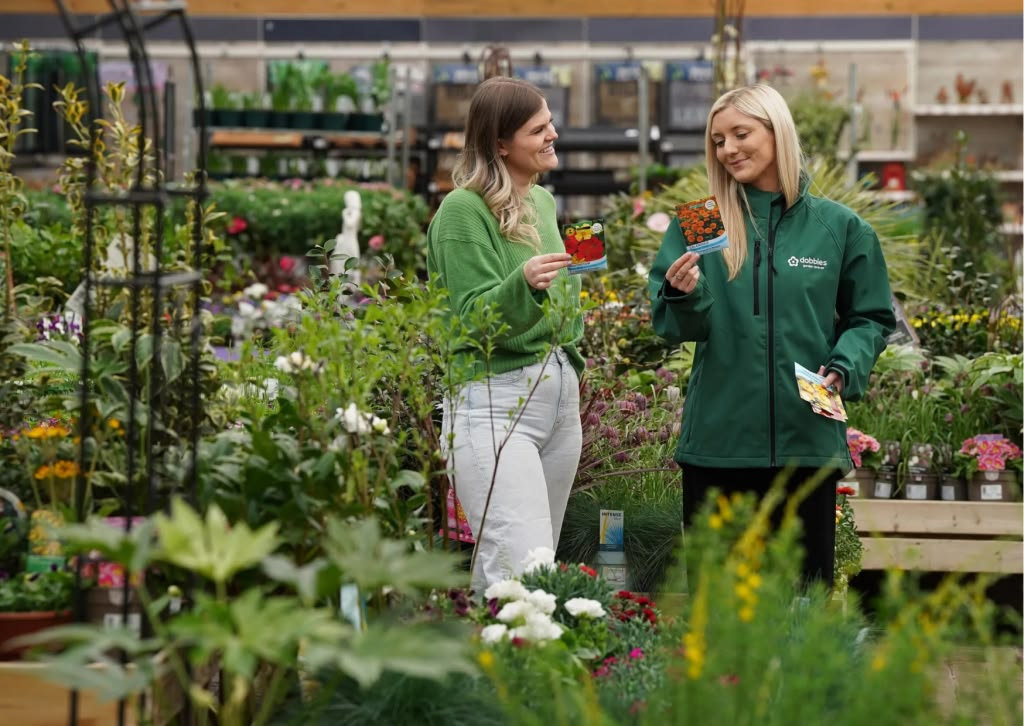
Garden center staff are trusted for plant advice, and that trust extends to practical suggestions. Train the team to ask a simple question such as “Will you be working outside for long?” and suggest a layer if the answer is yes. A friendly comment is more welcome than a sales pitch.
You can also create short signs or web posts explaining how to layer for gardening, how to care for work clothes, and how to avoid getting cold during early planting.
Think About Staff Clothing Too
Your own team spends hours outdoors, and a consistent, branded layer helps customers find them. Staff uniforms also act as a daily demonstration of the range. If the team wears and likes a garment, customers will ask about it.
Keep Descriptions Honest
Avoid claims about warmth, water resistance, or durability unless the supplier documents them. Gardeners will test the clothing in real conditions and remember if it falls short. Accurate labels build trust and reduce returns.
Review at Season End
Check sales by item, size, and color. Note which items prompted questions and which stayed on the rack. Use the findings to refine the next season’s range.
Final Thoughts
Apparel can sit comfortably in a garden center when it is practical, small in scope, and displayed alongside the products that support it. Stock a light layer and a warm vest, buy in stages, and let your knowledgeable staff do the selling. Customers who stay comfortable work longer and often buy one more plant.