

















Candidates are swiping past companies that look fine on paper in search of employers that genuinely make their lives better. Salary still matters, of course, but it’s no longer the only deciding factor. Today’s workforce is asking bigger questions: Will I grow here? Will I feel supported? Does this company actually care about its people?
That shift has forced organizations to rethink what “employee perks” really mean. Free coffee and branded hoodies aren’t moving the needle anymore. The companies attracting top talent are investing in experiences that improve employees’ daily lives, help them build their careers, and create workplaces people genuinely enjoy being part of.
The data backs this up. Gallup estimates that replacing an employee can cost anywhere from one-half to two times that employee’s annual salary, depending on the role. Meanwhile, organizations with highly engaged employees consistently report stronger productivity, profitability, and retention than their peers.
The good news? Creating a workplace people want to stay in doesn’t always require massive budgets. It requires thoughtful decisions.
Make Growth a Benefit, Not Just a Buzzword
One of the easiest ways to lose great employees is to make them feel like they’ve stopped learning.
Professional development has become one of the most valued workplace benefits, especially among younger professionals who expect continuous growth rather than annual training sessions that everyone forgets by the following Monday.
That doesn’t mean every company needs a corporate university. It can be as simple as:
- Access to eLearning platforms
- Industry certifications
- Conference budgets
- Internal mentoring programs
- Lunch-and-learn sessions led by team members
When employees believe they’re becoming more valuable in their roles, they’re also more likely to see a future with your company.
Benefits Should Solve Real Problems
Benefits have evolved far beyond healthcare and retirement plans.
Employees increasingly appreciate benefits that reduce stress, improve flexibility, or simply make everyday life easier. Whether that’s expanded mental health support, childcare assistance, wellness stipends, flexible schedules, or generous paid time off, the best benefits remove friction from employees’ lives.
Research continues to show a strong relationship between workplace benefits and employee loyalty. Understanding how benefits affect retention can help employers focus investments where they’ll have the greatest impact instead of simply adding perks because competitors offer them.
The best benefits don’t just look good on a recruiting page. Employees actually use them.
Food Is a Bigger Perk Than You Think
It sounds almost too simple.
But providing good food consistently can have an outsized impact on workplace culture.
Nobody stays at a company because of bagels on Friday morning. They stay because those small moments communicate something bigger: We appreciate you.
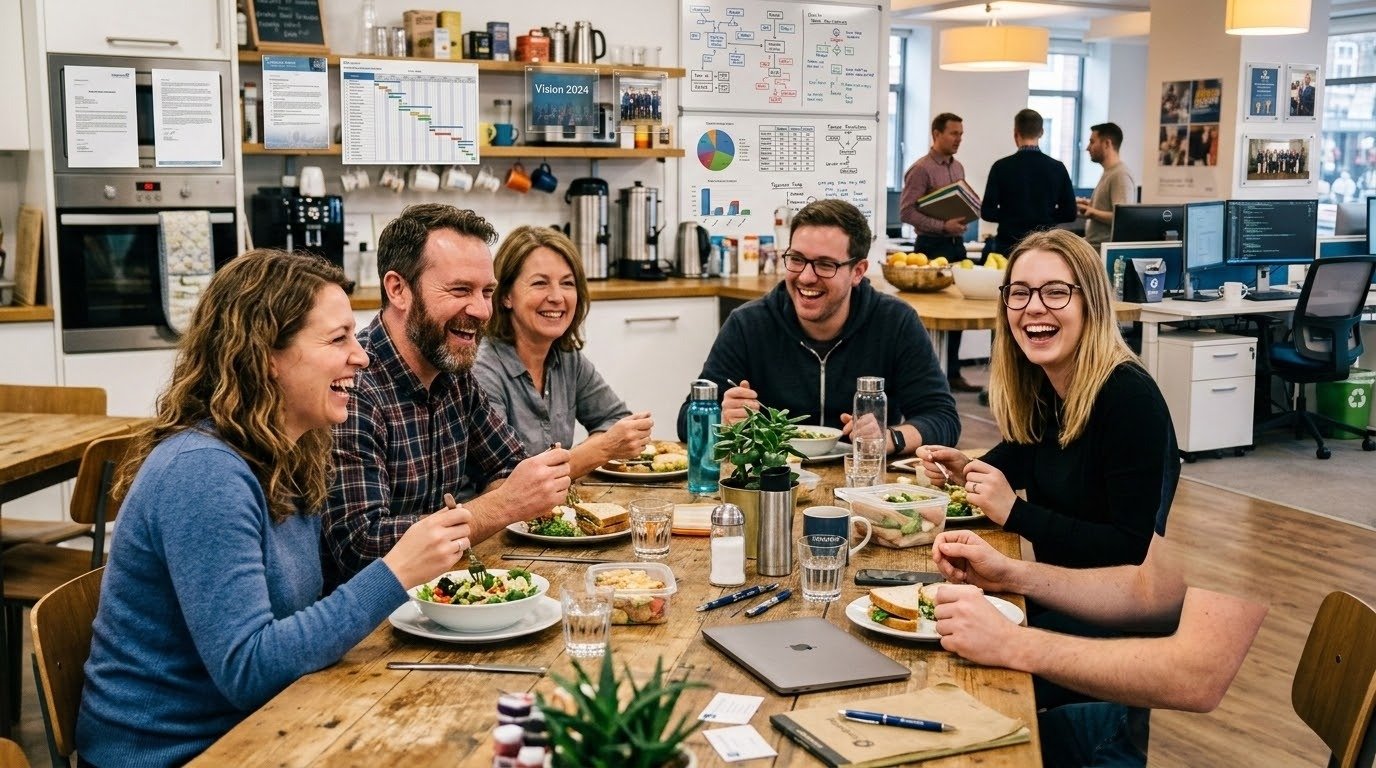
Healthy catered lunches after major milestones. Friday breakroom meals, where departments actually sit together instead of eating alone at their desks. Stocking kitchens with nutritious snacks instead of only sugary options. These initiatives encourage collaboration while supporting employees’ energy throughout the day.
Something as simple as introducing quick quinoa salads during wellness weeks or team lunches can reinforce a culture that values employee wellbeing without feeling forced or performative.
It’s never really about the quinoa.
It’s about creating moments where people connect.
Don’t Forget Your Contingent Workforce
Many organizations now rely heavily on contractors, freelancers, consultants, and temporary workers.
Yet these professionals are often treated as outsiders despite contributing to critical projects.
Forward-thinking companies are changing that.
They’re inviting contingent workers to team celebrations, including them in appropriate learning opportunities, recognizing achievements, and making communication far more inclusive. While employment rules differ, creating a positive experience benefits everyone.
Organizations looking to improve collaboration across flexible workforces should also explore better contingent workforce strategies that help both permanent employees and contingent talent work toward shared goals.
The strongest teams aren’t defined by employment status. They’re defined by how well people work together.
Your First Impression Still Matters
Many companies spend months recruiting exceptional candidates…
…only to lose momentum during onboarding.
An employee’s first few weeks shape their perception of the company more than many leaders realize. Confusing processes, little communication, or inconsistent training can quickly turn excitement into doubt.
Great onboarding isn’t just paperwork and IT checklists. It’s about helping people build confidence, relationships, and early wins.
Research consistently shows the impact of more effective employee onboarding extends well beyond a new hire’s first month, influencing engagement, productivity, and long-term retention.
Think of onboarding as your company’s first real promise to an employee.
Then keep it.
Build a Culture Worth Talking About
The best recruiting strategy often isn’t recruiting at all.
It’s creating an environment where employees become enthusiastic advocates.
That happens when leaders communicate openly, celebrate successes, recognize contributions, encourage flexibility where possible, and trust people to do their jobs without micromanagement.
Culture isn’t built during annual retreats.
It’s built in thousands of everyday interactions.
It’s the manager who checks in after a difficult week.
The team lunch celebrating a project launch.
The learning budget that gets approved without endless red tape.
The Friday meal where departments actually get to know one another.
Individually, these moments seem small.
Together, they become the reason someone tells a friend, “You should apply here.”
Great Perks Support Great People
The companies winning today’s talent market aren’t necessarily the ones with the biggest budgets.
They’re the ones paying attention.
They’re listening to employees, removing friction, investing in growth, supporting wellbeing, and creating workplaces where people feel respected long after the offer letter is signed.
The most effective perks don’t exist to impress candidates during interviews.
They exist to make Monday mornings a little better.
And when employees feel better, they’re far more likely to stay, contribute their best work, and tell others they should do the same.