























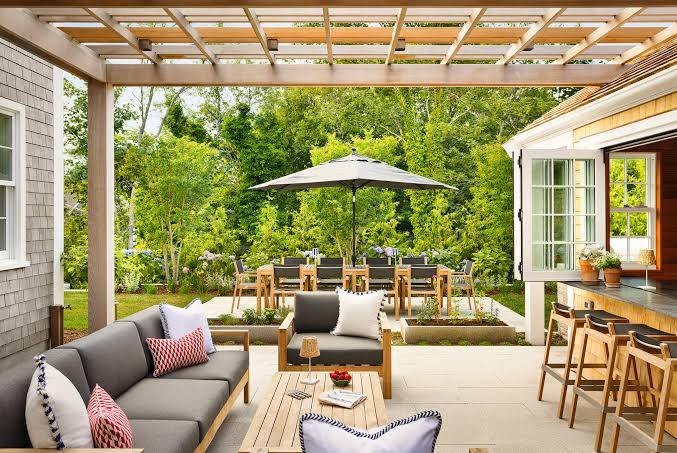
A backyard does not need to be enormous or professionally landscaped to become one of the most enjoyable parts of a home. With thoughtful planning, even a simple outdoor area can become a comfortable place for morning coffee, family dinners, quiet evenings, and weekend gatherings.
The key is to treat the backyard as an extension of the home rather than an empty space outside it. The furniture, layout, lighting, plants, and materials should work together to support the way you want to spend your time.
Whether you are starting with a completely empty yard or improving an existing outdoor space, the following ideas can help you create a backyard retreat that feels welcoming, practical, and personal.
Decide How You Want to Use the Space
Before buying furniture or choosing plants, think about what you actually want to do in the backyard.
Some homeowners imagine a peaceful space for reading and relaxing. Others want an area where they can cook, eat, and entertain guests. Families may need room for children to play, while gardening enthusiasts may want raised beds, planters, or a small greenhouse.
Your backyard can support several activities, but it helps to identify the main priority first.
Ask yourself:
- How many people will normally use the space?
- Do you want an outdoor dining area?
- Will you cook outside regularly?
- Do you need space for children or pets?
- Is privacy important?
- Would you prefer sun, shade, or a combination of both?
- How much maintenance are you willing to handle?
These questions will help guide decisions about the layout, materials, furniture, and overall budget.
Create a Comfortable Foundation
Every outdoor retreat needs a stable and comfortable surface. Furniture placed directly on uneven soil or grass may feel temporary and can become difficult to use after rain.
Depending on the yard and the style of the home, the foundation could be a deck, patio, paved area, gravel section, or combination of materials.
A deck can create a defined outdoor room and provide a smooth transition from the inside of the house. It may be especially useful when the yard slopes, the back entrance is raised, or the homeowner wants an elevated view of the surrounding area.
Patios work well at ground level and can be designed using concrete, stone, brick, or pavers. Gravel is another option for informal seating areas or garden paths.
When choosing a surface, consider how it will feel underfoot, how it will handle outdoor conditions, and how well it connects with the existing architecture.
Divide the Backyard Into Zones
A backyard often feels more organized when it is divided into smaller zones rather than treated as one large open area.
One section could be used for dining, another for conversation, and another for gardening or play. These areas do not need permanent walls. They can be separated through furniture placement, outdoor rugs, planters, lighting, or changes in surface material.
For example, a dining table could sit near the house for easy access to the kitchen. A quieter seating area might be placed farther into the yard, surrounded by plants. A grill or outdoor cooking station can have its own space so that smoke and heat do not disturb guests.
Creating clear zones makes the backyard more functional while giving each activity its own sense of place.
Add a Deck for Everyday Outdoor Living
A deck can become the main gathering point of a backyard. It provides a defined location for seating, dining, grilling, and entertaining while helping the outdoor area feel connected to the home.
The design should be based on how the deck will be used. A compact deck may only need enough room for a small table and chairs. A larger design could include separate areas for cooking, dining, and relaxing.
Important details to consider include:
- The direction of the sun
- Access from the house
- The position of stairs
- Available yard space
- Privacy from neighbouring properties
- Furniture dimensions
- Railings and safety features
- Lighting and electrical access
- The need for partial or complete shade
Material choice is also important. Natural wood creates a warm and traditional appearance, while composite decking can offer a consistent finish with different colour and texture options. A covered section may make the space more comfortable during strong sun or light rain.
Homeowners planning a new deck or replacing an older structure can consult professional deck builders serving Kansas City homeowners to discuss suitable layouts, materials, railings, and covered outdoor options.
Choose Furniture for Comfort, Not Just Appearance
Outdoor furniture should look attractive, but it also needs to be comfortable enough for regular use.
A stylish chair that is uncomfortable after ten minutes will probably remain empty. Before buying furniture, consider seat depth, back support, cushion quality, and the amount of space available around each piece.
Choose furniture that matches the main purpose of the area. A dining space needs a table with enough room for chairs to move comfortably. A relaxation area may work better with lounge chairs, a sofa, side tables, and a low coffee table.
Modular furniture can be useful because it can be rearranged for different occasions. Benches with hidden storage may also provide a place to keep cushions, outdoor toys, or gardening supplies.
Avoid filling every part of the backyard with furniture. Leaving some open space will make the area feel calmer and easier to move through.
Introduce Shade and Shelter
A backyard may look inviting but remain unused if it becomes too hot during the day.
Shade can be introduced through umbrellas, pergolas, covered decks, retractable awnings, shade sails, or carefully positioned trees. The best option will depend on the size of the space, the direction of the sun, and whether you want a temporary or permanent solution.
A pergola can help define a seating area while supporting climbing plants, lights, or fabric panels. A roofed structure offers more protection and may allow the area to be used during a wider range of conditions.
Before deciding where to place shade, observe the yard at different times of day. The area that feels comfortable in the morning may be exposed to strong sunlight later in the afternoon.
Use Lighting to Change the Atmosphere
Outdoor lighting makes a backyard safer after dark, but it also has a major effect on the atmosphere.
Bright lights are useful near doors, steps, cooking areas, and paths. Softer lighting works better around seating areas where people want to relax.
Consider combining several types of lighting:
- String lights over a dining area
- Small lights along pathways
- Step lights near stairs
- Wall lights beside exterior doors
- Lanterns on tables
- Lights built into deck railings
- Spotlights directed toward trees or plants
Lighting should guide people through the space without making the backyard feel as bright as an indoor office.
Warm, gentle lighting can make even a simple seating area feel more comfortable and inviting.
Add Plants for Privacy and Character
Plants help soften hard surfaces and make an outdoor area feel more connected to nature.
Large planters can frame a deck or patio, while climbing plants can grow along screens, fences, or pergolas. Small trees and tall shrubs may provide privacy from neighbouring properties without making the space feel completely closed.
Choose plants based on the amount of sunlight, available space, and level of maintenance you are comfortable providing. A garden that requires daily attention may not suit someone who travels frequently or has limited free time.
Plants can also be used to introduce colour throughout the year. Combining evergreen plants with seasonal flowers helps the space remain attractive even when certain plants are no longer blooming.
Herbs such as rosemary, mint, and basil can be placed near an outdoor cooking or dining area, making them both decorative and useful.
Create a Sense of Privacy
It is difficult to relax when the backyard feels completely exposed.
Privacy can be improved with fencing, screens, outdoor curtains, tall planters, trees, or climbing plants. The goal does not always need to be complete separation. Sometimes blocking one direct view is enough to make a seating area feel more private.
Consider where neighbours, nearby roads, or surrounding buildings are most visible. Place privacy features strategically rather than enclosing the entire yard.
A screen behind a sofa, for example, may create a more comfortable conversation area while leaving the rest of the garden open.
Include Personal Details
The outdoor area should reflect the people who live in the home.
Personality can be added through cushions, outdoor rugs, planters, artwork, lanterns, tableware, and decorative objects. Colours used inside the home can also be repeated outdoors to create a stronger visual connection.
You might display handmade pottery, use furniture made from reclaimed materials, hang photographs in a protected area, or add plants connected to a favourite place or memory.
These small details prevent the backyard from looking like a showroom and make it feel like a genuine part of the home.
Plan for Storage
Outdoor spaces can quickly become cluttered with cushions, toys, gardening tools, grilling equipment, and cleaning supplies.
Include storage in the design from the beginning. This could be a weather-resistant storage box, built-in deck bench, small shed, cabinet, or covered shelving area.
Items used regularly should be easy to reach, while seasonal equipment can be stored farther away.
Good storage makes the backyard easier to maintain and reduces the amount of time spent moving items in and out of the house.
Keep Maintenance Realistic
The most beautiful outdoor space will not remain enjoyable if it requires more maintenance than you can manage.
Consider how often surfaces will need cleaning, staining, painting, trimming, or sealing. Think about where leaves and water may collect and whether furniture will need to be covered or moved during certain seasons.
Choosing durable materials and a manageable number of plants can help keep maintenance under control.
It is usually better to create a slightly simpler space that remains clean and inviting than an elaborate design that becomes difficult to care for.
Final Thoughts
Creating a relaxing backyard retreat is not about adding as many features as possible. It is about choosing the right features for the way you live.
Begin with a clear purpose, create a comfortable foundation, and divide the area into practical zones. Add suitable furniture, shade, lighting, greenery, privacy, and personal details that make the space feel like your own.
A thoughtful outdoor area can provide a place to slow down, spend time with others, and enjoy more of the home throughout the year. Even a few carefully planned improvements can turn an ordinary backyard into a space you look forward to using.