





















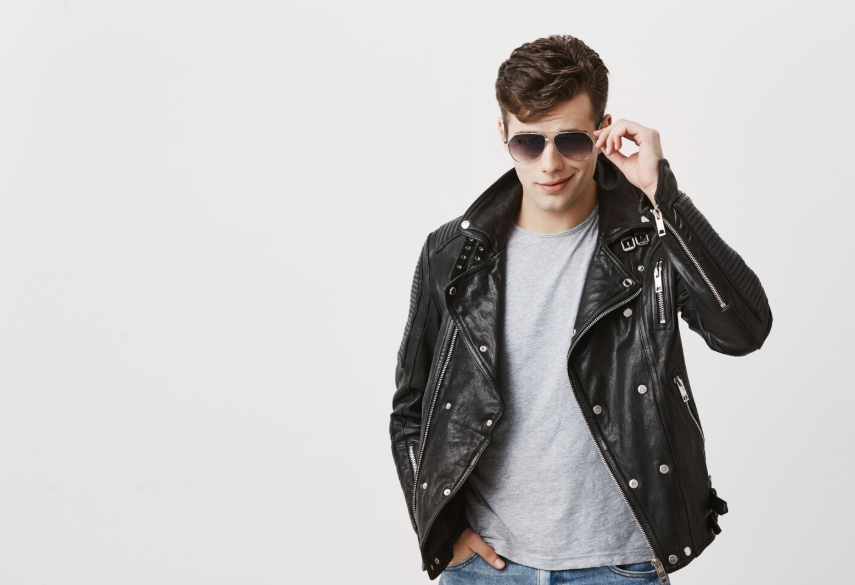
Most men own at least one leather jacket they rarely reach for once the weather turns. It looks great in October, then sits in the closet the moment the wind picks up or rain starts falling. That’s usually a design problem, not a style problem, and it’s exactly the gap a hooded leather jacket is built to close.
A hood changes what a leather jacket can do. It’s no longer just a statement piece for mild afternoons; it becomes something you can actually rely on when the forecast turns unpredictable. This article looks at why that small addition makes such a practical difference, how it fits into a broader wardrobe, and what to consider before adding one to your own rotation.
The Problem With “Fair Weather” Leather
Leather jackets have a reputation problem they don’t entirely deserve. People assume they’re delicate, fussy, and only suited to dry, mild conditions. In reality, quality leather handles far more than most owners give it credit for; the real issue is usually the jacket’s design, not the material itself.
A jacket with no hood offers no built-in defense against wind or drizzle. The moment conditions shift, you’re forced to grab an umbrella, throw on a separate rain shell, or just accept a damp collar. None of those solutions are elegant, and all of them undercut the reason you bought a leather jacket in the first place: to have one piece that looks sharp and performs well without much thought.
What a Hood Actually Solves
A hood isn’t a gimmick tacked onto a jacket for novelty. It solves three specific, everyday problems:
- Unplanned weather changes. A short walk to the train or a sudden downpour no longer means ducking into a doorway to wait it out.
- Layering flexibility. A detachable or fixed hood adds a light extra layer of warmth without the bulk of a separate coat.
- Fewer pieces to carry. Instead of packing a rain jacket “just in case,” the hood is already built into the piece you’re already wearing.
None of this makes the jacket less stylish. If anything, a well-proportioned hood one that sits close to the collar rather than bunching up awkwardly adds a slightly rugged, functional edge that pairs naturally with the material’s existing character.
Fixed Hood vs. Detachable Hood
Not all hooded leather jackets are built the same way, and the difference matters more than most buyers realize before their first wear.
Fixed Hoods
A fixed hood is sewn directly into the collar. It tends to sit closer to the neckline, which usually means a cleaner silhouette and slightly better wind resistance. The trade-off is flexibility: you’re committed to the hooded look every time you wear the jacket, even on days you’d rather keep things streamlined.
Detachable Hoods
A detachable hood, usually secured with snaps or a zipper, lets you switch between a classic jacket silhouette and a hooded one depending on the day. This is the better option for anyone who wants one jacket to cover multiple looks: a clean, tailored line for the office, and a more casual, protected silhouette for a weekend outdoors.
If you’re shopping specifically for versatility, a leather jacket with a hood that offers a removable hood gives you both looks without needing two separate jackets in your closet.
How It Fits Into a Real Wardrobe
A hooded leather jacket earns its place by doing more work than a standard version, but it still needs to fit into the rest of what you own. A few practical guidelines make that easier:
- Keep the rest of the outfit simple. The hood already adds visual interest, so pair it with plain knitwear, a basic tee, or a simple button-down rather than another busy layer.
- Watch proportions. A bulky hood over a slim jacket can look unbalanced. Look for a hood that’s proportioned to the collar, not oversized for effect.
- Consider the lining. A jacket meant for genuine wind and light rain protection benefits from a warmer lining, since the hood will often be doing double duty as a barrier against cold air.
- Think about color first. Black and dark brown hooded jackets are the easiest to dress up or down; lighter tones lean more casual and work best with denim or utility-style outfits.
None of this requires an entirely new wardrobe. Most men can build two or three solid outfits around a single hooded jacket just by rotating what’s underneath it.
Who Actually Benefits Most
Not every man needs a hooded leather jacket, and it’s worth being honest about that. If you live somewhere with consistently mild, dry weather, a standard leather jacket will likely serve you just fine.
The hood earns its keep for a specific type of wearer:
- Commuters who walk or bike regularly and can’t always plan around the weather
- Anyone in a climate with frequent light rain, wind, or unpredictable fall and spring conditions
- People who want one outerwear piece that can handle both city errands and outdoor plans on the same day
- Travelers who prefer packing fewer jackets for a trip
If any of that sounds familiar, the hood isn’t an accessory; it’s the feature that makes the jacket earn its place in daily rotation rather than special occasions only.
Caring for a Hooded Leather Jacket
The hood doesn’t change the basic care leather needs, but it does add a few extra seams and stress points worth paying attention to.
- Let the jacket air dry naturally if the hood gets wet; direct heat can dry out the leather and stiffen the hood’s shape.
- Check the seams where the hood meets the collar periodically, since this area sees more movement than the rest of the jacket.
- Condition the leather every few months, paying attention to the hood itself if it’s made from the same material rather than a fabric liner.
- Store the jacket on a broad hanger so the hood keeps its shape instead of folding awkwardly against the collar.
Treated well, a hooded leather jacket should age the same way any quality leather piece does, developing character over time rather than showing wear as damage. Retailers who specialize in leather outerwear, like The Leather Coats, often include care guidance specific to their jackets’ hardware and lining, which is worth checking if you’re unsure about the exact materials used in yours.
Frequently Asked Questions
Does a hood ruin the classic look of a leather jacket?
Not if the proportions are right. A hood that’s tailored close to the collar tends to look like a natural extension of the jacket rather than an add-on, especially on biker or moto-style cuts.
Are detachable hoods less durable than fixed ones?
Not necessarily. Quality detachable hoods use reinforced snaps or zippers designed for regular use. The main trade-off is a slightly bulkier collar area when the hood is removed, not reduced durability.
Can a hooded leather jacket replace a rain jacket entirely?
For light rain and wind, yes, in most cases. For sustained heavy rain, a dedicated waterproof shell will always outperform leather, but a hood significantly closes that gap for everyday conditions.
Is a hooded leather jacket appropriate for work settings?
It depends on the cut and the workplace. A slim, dark-colored jacket with a fixed or detachable hood can work in casual or business-casual offices, especially paired with simple layers underneath.
Does the hood add noticeable weight to the jacket?
Some, but usually not enough to be uncomfortable. Lined hoods add a bit more than unlined ones, which is worth factoring in if you plan to wear the jacket for long stretches.
Final Thought
A hooded leather jacket isn’t about chasing a trend; it’s about closing the gap between how a jacket looks and how often you can actually wear it. For anyone tired of switching jackets every time the sky changes its mind, it’s one of the more practical upgrades a wardrobe can make. Try one on with the pieces you already own before deciding whether it’s the right fit for your rotation.
A couple of practical notes for the publisher: readers researching this topic often also search for guidance on layering leather jackets over hoodies versus sweaters, and on matching jacket colors to existing outerwear; both would make natural internal links from this piece. For supporting facts on leather durability and weather resistance, a materials-science or textile research source, a recognized outdoor-gear publication, and a leather-care guide from an established leather goods trade organization would all be appropriate citations if the publisher wants to add sourcing.